

Ever stared at your plate wondering if your dal-chawal is actually making you gain weight? If you’re trying to shed those stubborn kilos while still enjoying roti and sabzi, you’re not alone. Millions of Indians struggle to balance our rich culinary traditions with weight loss goals.
I’m about to share 15 weight loss foods that fit perfectly into an Indian diet plan without making you feel like you’re eating someone else’s food.
The beauty of these options? They’re probably already in your kitchen. Our traditional Indian ingredients are packed with nutrients that can actually help you lose weight when prepared the right way.
But before we dive into the list, you need to understand why these specific foods work when others leave you hungry and frustrated an hour later.
Understanding Indian Dietary Habits

Regional food variations across India
India’s food map is as diverse as its culture. North Indians love their wheat-based meals with rich gravies, while South Indians prefer rice with lighter coconut-based dishes. Head east, and you’ll find rice with fish curries dominating plates. Western India? That’s where you’ll taste spicy vegetable dishes with unique sweet undertones.
This diversity isn’t just about taste – it impacts weight management too. Southern diets typically feature more rice and coconut oil, while northern meals often include more dairy and wheat. Each regional cuisine has its weight-friendly champions – like the protein-rich sattu from Bihar or the fiber-packed Maharashtrian zunka.
Traditional dietary principles
Indian food wisdom runs deep. Ancient Ayurvedic principles categorize foods as Sattvic (pure), Rajasic (stimulating), or Tamasic (stale) – a system that naturally promotes balance. Traditional Indian meals instinctively follow modern nutritional science with their balanced thalis containing proteins (dal), complex carbs (roti), vegetables, and probiotics (curd).
The concept of eating according to season and body type has always been part of Indian food culture. Warming foods in winter, cooling ingredients in summer – these practices align perfectly with modern understanding of metabolic health.
Common nutritional gaps in Indian diets
Despite our rich food heritage, modern Indian diets often fall short. Protein deficiency is widespread, especially among vegetarians who rely too heavily on carbs. Many Indians consume only 50-60% of recommended protein levels.
Iron deficiency is another concern, particularly for women. Our diets frequently lack adequate B12, zinc, and vitamin D too. The irony? Traditional recipes like sprouted moong or fermented foods could easily fix these gaps!
Current dietary challenges for weight management
The biggest hurdle for weight-conscious Indians today? We’re abandoning nutrient-dense traditional foods for processed alternatives. Those convenient packaged snacks are replacing home-cooked meals at alarming rates.
Portion sizes have exploded too. The traditional practice of eating until 75% full (known as “hara hachi bu” in Japan but practiced in many Indian communities) is disappearing. Emotional eating and irregular meal timing further complicate weight management.
The solution might be right in our culinary heritage – mindful eating practices, balanced meals, and seasonal, local ingredients that naturally support healthy weight. India’s traditional food wisdom offers a perfect blueprint for modern weight management – if only we’d remember it.
Nutrient-Dense Indian Superfoods

A. Protein-rich options for vegetarians
Indian cuisine offers fantastic protein sources for vegetarians trying to lose weight. Lentils (dal) pack 9g of protein per 100g serving while keeping you full longer. Paneer (cottage cheese) contains about 18g of protein per 100g and works beautifully in various dishes without adding excess carbs.
Sprouts are nutrition powerhouses – just 1 cup of moong sprouts delivers 8g of protein with minimal calories. Chana (chickpeas) aren’t just tasty but provide 19g of protein per cup while supporting muscle growth during weight loss.
Don’t forget about tofu! This soy-based protein contains around 8g per 100g serving and absorbs flavors of whatever you cook it with.
B. Fiber-rich whole grains
Swap white rice for brown rice or millet to instantly boost your fiber intake. Bajra (pearl millet) contains 11g of fiber per 100g and keeps hunger at bay for hours.
Ragi (finger millet) is a nutritional superstar with 3.6g of fiber per 100g and a low glycemic index that prevents blood sugar spikes and subsequent cravings.
Jowar (sorghum) and barley (jau) are other fantastic options that provide steady energy without the weight gain typically associated with refined grains.
Try this simple swap: replace wheat flour rotis with multigrain versions using a mix of these whole grains for a fiber boost that supports weight loss.
C. Essential spices with metabolic benefits
Your spice rack might already contain powerful weight loss allies! Turmeric contains curcumin that may increase thermogenesis (calorie burning). Just half a teaspoon daily can help reduce inflammation that often hampers weight loss.
Cinnamon helps regulate blood sugar levels, preventing those hunger crashes that lead to overeating. Add it to your morning tea or coffee.
Fenugreek seeds (methi) boost metabolism and reduce fat storage. Soak a teaspoon overnight and consume in the morning.
Black pepper contains piperine that enhances nutrient absorption and may prevent fat cell formation. Cardamom improves digestion and helps eliminate bloating – perfect for flatter abs!
D. Local fruits with low glycemic index
Indian gooseberry (amla) has a GI of just 35 and contains chromium that regulates blood sugar while boosting metabolism.
Jamun (black plum) has a GI of approximately 25 and contains anthocyanins that prevent insulin spikes.
Guavas offer twice the fiber of apples with a GI of 45-50, making them perfect for weight-conscious snacking.
Pears and apples, widely available across India, have GIs around 30-40 and contain pectin that supports digestive health and fat loss.
Star fruit (kamrakh) has an exceptionally low GI and acts as a natural diuretic, helping reduce water retention and bloating.
E. Indigenous vegetables for weight management
Bitter gourd (karela) contains compounds that mimic insulin and help metabolize stored fat. One medium karela contains just 24 calories!
Bottle gourd (lauki) is 96% water, making it incredibly filling with minimal calories. It helps flush out toxins while providing essential nutrients.
Cluster beans (gawar) are fiber powerhouses that slow digestion and prevent overeating. Just 100g contains a mere 57 calories.
Ridge gourd (turai) supports liver function, enhancing the body’s natural detoxification processes crucial for weight loss.
Colocasia leaves (arbi ke patte) contain calcium that triggers fat-burning hormones and provides iron to maintain energy levels during calorie restriction.
Creating Balanced Indian Meals

Optimal protein-carb-fat ratios
Ever noticed how your grandmother’s meals always had a bit of everything on the plate? She was onto something. The ideal Indian meal balances proteins, carbs, and fats in roughly a 30:40:30 ratio.
For proteins, think beyond just meat. Dals, paneer, chhena, tofu, and legumes should take up about a third of your plate. They keep you full longer and prevent those mid-day samosa cravings.
Carbs aren’t the enemy when you choose wisely. Opt for brown rice instead of white, ragi rotis over maida ones, and limit those delicious but empty-calorie fried snacks.
Healthy fats deserve their place too. Cold-pressed mustard oil, ghee in moderation, and nuts like almonds and walnuts support everything from brain function to nutrient absorption.
Portion control techniques for Indian thalis
The traditional thali is actually brilliant for portion control—if you don’t keep refilling it!
Try the hand method:
- Proteins: Your palm size
- Carbs: Your cupped hand
- Vegetables: Two fists
- Fats: Your thumb tip
Don’t ditch the katoris! Those small bowls naturally limit portions of curries and dals. Keep raita and vegetable servings generous, but go easy on the carb-heavy items.
A simple trick? Use smaller plates. A full 8-inch plate feels more satisfying than a half-empty 12-inch one.
Healthy cooking methods for traditional recipes
You don’t need to abandon your favorite recipes—just tweak the cooking methods.
Swap deep frying for:
- Air frying (perfect for samosas and pakoras)
- Dry roasting (great for spices and nuts)
- Steaming (ideal for idlis and dhoklas)
Traditional cooking vessels like clay pots and iron kadais actually enhance flavor while requiring less oil. Your grandma was right again!
Pre-soak beans and lentils to reduce cooking time and improve digestion. And that tadka? Add it at the end with just a teaspoon of ghee to get maximum flavor with minimum fat.
Pressure cooking preserves nutrients while cutting cook time in half. Perfect for busy weeknights when you’re tempted to order in.
Meal Planning for Weight Loss

Breakfast options under 300 calories
Looking to shed some pounds? Breakfast matters – big time. Here are some Indian morning meals that keep the calories in check:
- Moong Dal Cheela (150 calories): Mix sprouted moong paste with chopped veggies, ginger, and spices. Cook thin pancakes on a non-stick pan with minimal oil.
- Oats Idli (180 calories): Combine roasted oats with yogurt, grated carrots, and spices. Steam in idli molds for 10 minutes.
- Ragi Porridge (220 calories): Cook ragi flour with milk/water, add jaggery and nuts. Perfect protein-packed start!
- Vegetable Upma (250 calories): Roast semolina, add vegetables and minimal oil. Ready in 15 minutes flat.
- Besan Chilla (210 calories): Chickpea flour pancakes with veggies need just a teaspoon of oil per serving.
Satisfying lunch combinations
Need midday meals that won’t wreck your diet? Try these combos:
- One roti + 1 cup dal + vegetable curry + small bowl of curd (~450 calories)
- Brown rice pulao with mixed vegetables and raita (~400 calories)
- Millets khichdi with lots of vegetables (~380 calories)
- Sprouts salad with lemon dressing + 1 multigrain roti (~350 calories)
- Grilled paneer wrap with vegetables (~420 calories)
The trick? Control portions and pick protein-rich options that keep you full longer.
Light dinner alternatives
Dinnertime is when most diet plans fail. Swap heavy meals with these lighter options:
- Vegetable soup with 1 multigrain roti (270 calories)
- Grilled fish with roasted vegetables (320 calories)
- Moong dal khichdi – comfort food that’s easy on your waistline (350 calories)
- Stir-fried tofu with vegetables – protein-packed and quick (300 calories)
- Jowar roti with baingan bharta – fiber-rich and satisfying (290 calories)
Eat dinner at least 2-3 hours before bedtime. Your digestion (and waistline) will thank you!
Smart snacking choices
Those 4 PM hunger pangs hit hard! Replace chips and cookies with:
- Roasted chana (1/4 cup = 100 calories)
- Makhana/fox nuts (1 cup = 85 calories)
- Cucumber and carrot sticks with hung curd dip (70 calories)
- Apple slices with peanut butter (1 tbsp) (150 calories)
- Homemade masala chaas (buttermilk) (40 calories)
Keep portion sizes small. Even healthy snacks add up when you overdo them!
Adapting Regional Cuisines for Weight Loss

A. North Indian menu modifications
Looking to lose weight without giving up butter chicken? You can! The trick is smart tweaks, not total sacrifice.
Skip those cream-laden curries and try tandoori dishes instead. They’re cooked in a clay oven with minimal oil but maximum flavor. Tandoori chicken or fish gives you protein without the heavy gravy.
Replace your regular naan with a smaller portion of roti or missi roti made from besan (chickpea flour). These options have more fiber and fewer refined carbs.
Dal is your best friend on a weight loss journey. Switch from the creamy dal makhani to lighter versions like yellow moong dal or masoor dal. They’re protein-packed but don’t come with the extra calories.
For veggie dishes, choose dry preparations (sukhi sabzi) over those swimming in gravy. And when making paneer dishes, use low-fat paneer and grill instead of fry.
B. South Indian healthy alternatives
South Indian cuisine is actually a weight-loss goldmine if you know what to pick.
Idlis and dosas are fermented wonders that support digestion. Just switch to versions made with ragi (finger millet) or brown rice instead of white rice. And go easy on the coconut chutney – a little goes a long way.
Swap coconut oil for less oil in your cooking. Yes, I know it’s traditional, but a light drizzle works just as well as a heavy pour.
Rasam, that tangy soup, is your secret weapon. It’s low-calorie, packed with spices that boost metabolism, and incredibly satisfying. Have it before meals to fill up with fewer calories.
Choose appam over parotta, and when you make sambar, load it with vegetables and cut back on the dal to reduce calories while maintaining nutrition.
C. East Indian lighter options
Eastern Indian cuisine can be surprisingly weight-loss friendly with some thoughtful adjustments.
Fish is the star here – choose steamed fish in banana leaf or mustard-based fish curry over fried options. The omega-3s are great for your health and the protein keeps you full.
Rice is a staple, but switch to brown rice or mix in some cauliflower rice to cut calories. For Bengali-style mixed vegetables (ghonto), increase the veggie-to-rice ratio.
Love your mishti? Try making rosogolla with low-fat milk or baked sandesh instead of the traditional versions. You’ll still get the sweet fix with fewer calories.
Dal with pumpkin is a fantastic low-calorie option that’s filling and nutritious. Just ease up on the added oil or ghee.
D. West Indian diet adjustments
West Indian cuisine can be adapted beautifully for weight management without losing its essence.
Dhokla and khakhra are already weight-friendly options – they’re steamed or roasted rather than fried. Make them even healthier by using sprouted moong or chickpea flour.
For the famous Gujarati thali, keep dal and vegetables but reduce the portion of rice and roti. And maybe skip the fried bhajiya just this once.
Maharashtrian zunka (chickpea flour with spices) makes a protein-rich meal when paired with bhakri made from jowar (sorghum) instead of wheat.
Even pav bhaji can work for weight loss – load up on vegetables, go easy on the butter, and enjoy with just half a pav. You’ll still get all those amazing flavors without the extra carbs.
Goan fish curry is perfect as is – just choose a leaner fish and serve with cauliflower rice for a lower-calorie meal that’s still incredibly satisfying.
Strategic Meal Timing

Best times to consume carbohydrates
Timing your carb intake can make a huge difference in your weight loss journey. Mornings are golden hours for carbs because your metabolism is firing on all cylinders. Having a moderate portion of complex carbs like oats, brown rice, or whole wheat roti before 2 PM gives your body ample time to burn through them.
Post-workout is another sweet spot. Your muscles are basically carb sponges for about 30-45 minutes after exercise. A small serving of carbs with protein helps repair muscles and replenish energy stores without storing excess as fat.
Avoid loading up on carbs at dinner. Your body’s metabolic rate naturally slows down in the evening, making those late-night rotis and rice more likely to end up as stored fat rather than burned energy.
Optimal eating windows for metabolism
Ever heard about the 8-hour eating window? It’s not just another trend. Restricting your meals between 10 AM and 6 PM gives your digestive system proper rest and kickstarts fat burning during the fasting period.
Many Indians find success with a 9 AM to 5 PM eating schedule. This aligns with our traditional wisdom of having lighter dinners well before bedtime.
For night shift workers, adjust your window to match your active hours – your “morning” is whenever you wake up, regardless of the clock.
Spacing meals for blood sugar control
The 3-hour rule works wonders for most people. Spacing your meals and snacks about 3 hours apart helps maintain steady blood sugar levels and prevents those hunger crashes that lead to poor food choices.
Mini-meals trump the traditional three large meals approach when you’re trying to shed kilos. Five to six small, balanced meals keep your metabolism humming and blood sugar stable throughout the day.
Don’t go more than 4 hours without eating during your waking hours. Extended gaps between meals can trigger your body’s starvation response, slowing metabolism and making your body cling to fat stores.
Hydration between meals is crucial too. Sometimes what feels like hunger is actually thirst. A glass of water 20 minutes before eating helps control portions naturally.
Hydration and Beverages

Traditional drinks with weight loss benefits
Who knew our grandmothers were weight loss gurus all along? Those traditional Indian drinks they swore by aren’t just tasty—they’re weight loss powerhouses hiding in plain sight!
Buttermilk (chaas) tops the list. This cooling, spiced yogurt drink helps digestion and keeps you full between meals. A glass of chaas instead of that afternoon snack? Smart move.
Then there’s kadha—that magical concoction of ginger, cinnamon, and other spices. It boosts metabolism and fights inflammation that can trigger weight gain.
Coconut water isn’t just beach vacation vibes—it’s nature’s sports drink with electrolytes and minerals that keep cravings at bay.
Herbal teas for metabolism
Indian kitchens are basically natural pharmacies for weight loss. The herbs sitting in your spice rack? They’re metabolism-boosting machines.
Tulsi (holy basil) tea reduces stress hormones that cause belly fat storage. Two cups daily and you’ll notice the difference.
Ginger tea isn’t just for sore throats—it fires up your metabolism and helps burn calories even when you’re binging your favorite show.
Cinnamon tea regulates blood sugar and stops those crazy cravings that wreck your diet plan.
Replacing sugary drinks with healthier alternatives
Those fancy sodas and packaged juices? They’re basically liquid candy bars. A single can packs 10 teaspoons of sugar!
Try infused waters instead—cucumber mint, lemon basil, or orange cinnamon. They’re refreshing without the sugar crash.
Homemade lassi sweetened with a touch of jaggery gives you protein and probiotics without the sugar overload of commercial versions.
Nimbu pani with a pinch of pink salt and roasted cumin satisfies sweet-salty cravings while boosting digestion.
Water intake recommendations
The weight loss advice nobody wants to hear: drink more water! But timing matters as much as quantity.
Start your day with warm water and lemon to wake up your metabolism. Drink a glass 30 minutes before meals to naturally eat less.
For Indians, our climate demands more than the standard 8 glasses. Aim for 3-4 liters daily, especially during summer months.
Trouble remembering? Connect water intake to daily habits—one glass after brushing, another after every bathroom break, and always keep a bottle at your desk.
Implementing the Diet Plan

Weekly meal prep strategies
Turning your Indian weight loss plan into daily reality starts with one game-changer: meal prep.
Pick a day (Sunday works for most) and spend 2-3 hours cooking basics. Boil a big batch of moong dal, cook brown rice, roast vegetables like brinjal and bottle gourd, and chop fresh vegetables for quick salads.
Use stackable containers – they’ll become your best friends. Portion out raita, dal, and vegetable curries in meal-sized containers. Pre-cut fruits like papaya and apple and store them separately.
The magic trick? Masala prep. Make small batches of your go-to spice mixes like garam masala or chole masala. Store them in airtight containers. Your future hungry self will thank you when you can throw together a quick sabzi without measuring seven different spices.
Rotis freeze surprisingly well! Make extra, cool completely, and freeze with parchment paper between each one. They’ll reheat perfectly in 30 seconds.
Budget-friendly shopping lists
Weight loss shouldn’t empty your wallet. Focus on these affordable Indian staples:
- Seasonal vegetables (always cheaper than imported ones)
- Toor dal, moong dal, masoor dal (protein powerhouses)
- Eggs (versatile protein source)
- Millets like ragi and jowar (cheaper than quinoa, just as nutritious)
- Local fruits instead of exotic options
Shop at weekly markets rather than supermarkets – prices drop dramatically, especially in the evening hours. Buy whole spices instead of pre-ground ones; they’re cheaper and last longer.
Don’t overlook frozen peas and beans – they’re nutritionally similar to fresh and much more affordable in off-seasons.
Eating out while maintaining diet goals
Dining out doesn’t mean derailing your weight loss journey. Most Indian restaurants now offer healthier options if you know what to ask for.
Request “less oil” when ordering – it’s a common request that most places accommodate. Choose tandoori items over fried ones – tandoori roti over butter naan, tandoori chicken over chicken 65.
Dal-based dishes usually have less hidden fat than rich gravies. Order raita or kachumber salad as sides instead of creamy ones.
My secret weapon? Eat a small bowl of vegetable soup or salad before heading to the restaurant. You’ll naturally eat smaller portions of the heavier dishes.
For street food cravings, go for corn chaat, pani puri with less pani, or fruit chaat instead of samosas or kachoris.
Family-friendly adaptations
Getting your family on board makes your weight loss journey ten times easier. The good news? You don’t need separate meals.
Cook the same curry but remove your portion before adding cream or extra oil for family members who aren’t watching their calories. Use the same base ingredients with different cooking methods – roasted potatoes for you, french fries for kids.
Make small tweaks that nobody notices – swap white rice with brown rice mixed with white (gradually increasing the brown rice ratio), or replace half the potatoes in aloo paratha with grated cauliflower.
Turn meal prep into family time. Kids love helping with tasks like rolling rotis or washing vegetables. They’re more likely to eat healthy food they helped prepare.
Remember, sustainable weight loss happens when healthy eating becomes your family culture, not just your personal project.
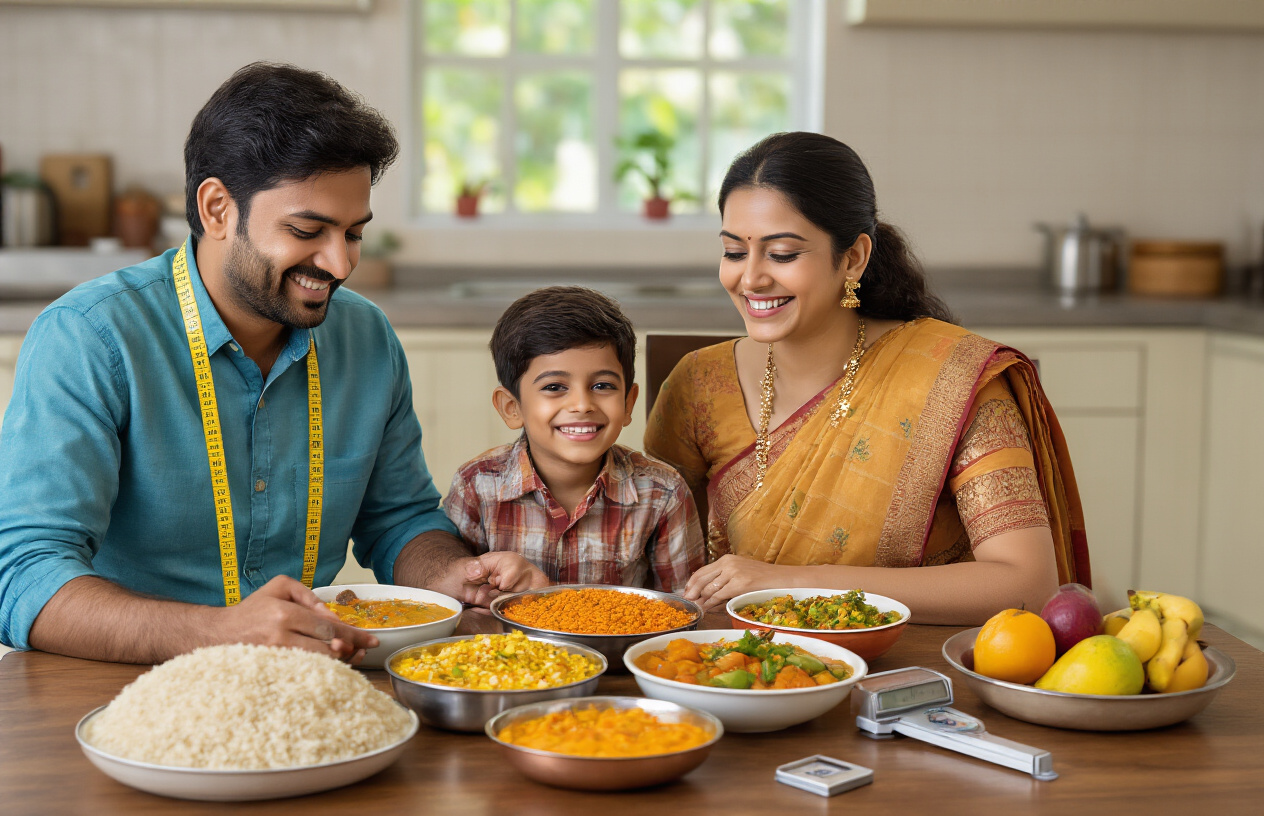
Adopting a balanced approach to weight loss through traditional Indian foods offers a sustainable path to better health. From nutrient-dense superfoods to strategic meal planning across regional cuisines, these dietary modifications can be seamlessly incorporated into daily routines. The key lies not in drastic changes but in mindful eating, proper hydration, and understanding how to create nutritionally balanced meals that honor Indian culinary traditions.
Remember that successful weight management is a journey, not a destination. Start by implementing small changes to your meal timing and food choices, gradually building habits that support your health goals. With India’s rich diversity of wholesome ingredients at your disposal, you can create delicious, satisfying meals that nourish your body while helping you achieve and maintain a healthy weight.